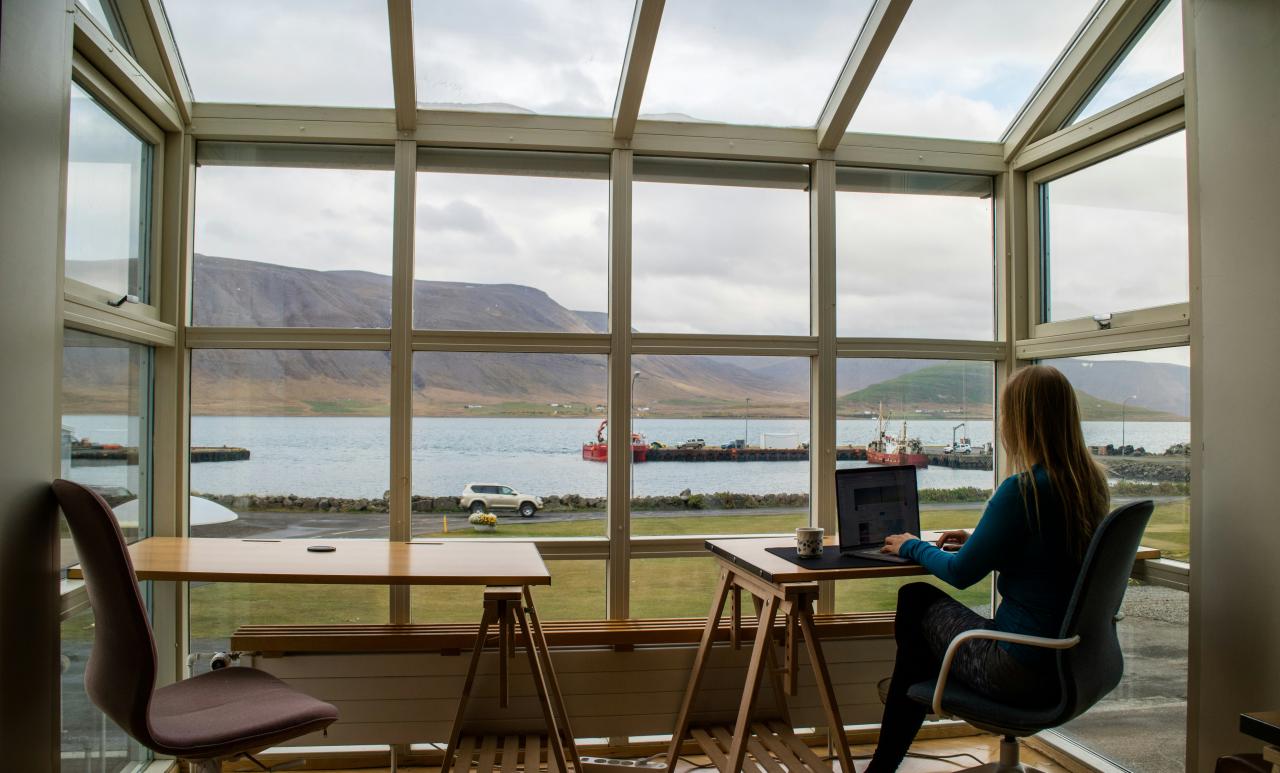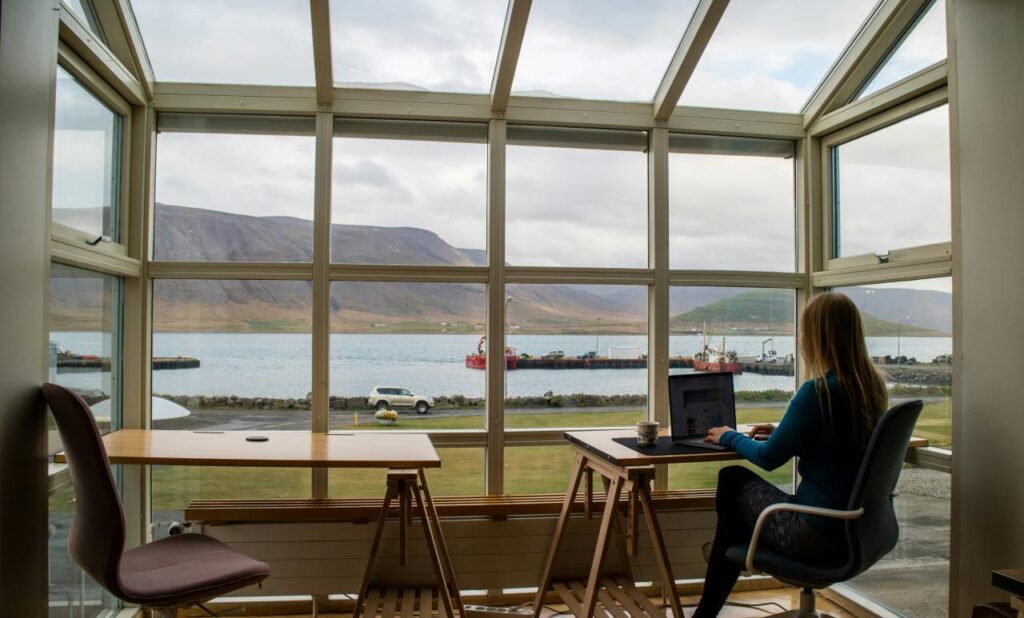
The modern professional world is currently experiencing a massive shift in how we define the concept of an office. For many decades, the standard for success was measured by physical presence within a corporate building between specific hours. However, the rise of high-speed connectivity and digital collaboration tools has shattered those traditional boundaries forever. We are now living in a time where the global workforce demands more flexibility and a better balance between life and career. This transition toward remote and hybrid models is not just a temporary trend but a fundamental restructuring of the global economy.
Companies that fail to adapt to this new reality often find themselves losing their best talent to more agile competitors. Success in this new era requires a deep understanding of how to keep employees engaged and productive without the benefit of face-to-face interaction. This article will explore the psychological and technical strategies needed to build a thriving remote culture that lasts. It is about creating a workspace that exists in the digital cloud while maintaining a strong human connection among every team member.
The Foundation of Remote Success

Building a productive remote team starts with establishing a culture of trust and transparency from the very beginning. Without the physical oversight of a manager, employees must feel empowered to take ownership of their specific tasks and deadlines. Micromanagement is the quickest way to kill morale in a digital environment where autonomy is highly valued. Instead, leaders should focus on clear communication and the setting of measurable goals that everyone understands.
Digital tools act as the central nervous system for any remote organization. These platforms must be intuitive and reliable to prevent technical friction from slowing down daily operations. When the right technology meets a supportive culture, the results can surpass the productivity levels of any traditional office.
A. Clear Communication Protocols
Establishing how and when to communicate prevents information silos from forming. It ensures that everyone is on the same page regardless of their physical location or time zone.
B. Outcome-Based Performance Tracking
Focusing on results rather than hours spent at a desk encourages efficiency. This approach respects the employee’s time and rewards those who produce high-quality work quickly.
C. Investment in Premium Digital Tools
Providing the best software for project management and video conferencing reduces frustration. Smooth digital workflows are essential for maintaining a high pace of production.
D. Standardizing Documentation Practices
A “documentation-first” culture ensures that project history and instructions are accessible to everyone. This reduces the need for constant back-and-forth messaging for simple questions.
E. Defined Core Working Hours
While flexibility is key, having a few overlapping hours for the whole team is vital. This allows for real-time collaboration and quick decision-making without long delays.
Strategies for High Employee Engagement
Keeping a remote workforce engaged requires a proactive effort to combat feelings of isolation and disconnection. Human beings are social creatures who need a sense of belonging to perform at their best. Companies must create digital spaces where informal social interaction can happen naturally, similar to the “water cooler” moments in a physical office.
Engagement is also driven by professional growth and the feeling that one’s work actually matters to the company. Providing regular feedback and celebrating small wins can make a massive difference in how an employee perceives their value. A disengaged remote worker is a flight risk, making engagement a top priority for long-term stability.
A. Virtual Social Rituals
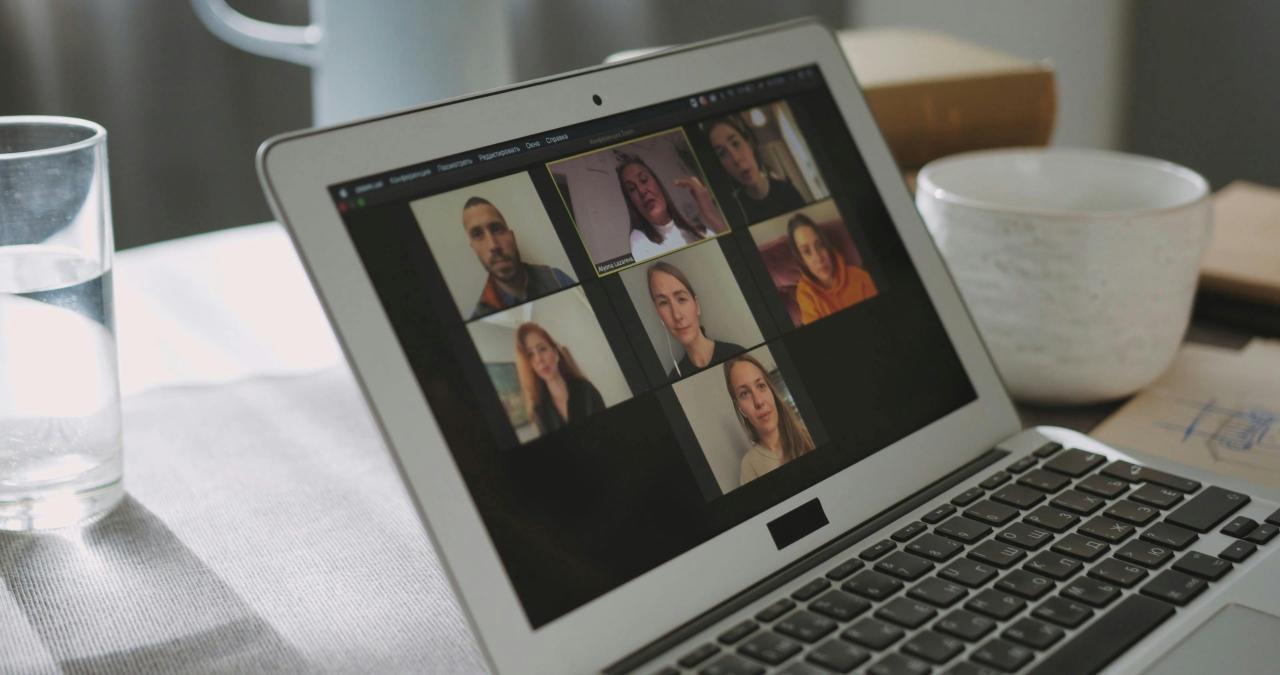
Organizing non-work related video calls or digital gaming sessions builds personal bonds. These moments help team members see each other as humans rather than just avatars on a screen.
B. Regular One-on-One Check-ins
Managers should schedule frequent private meetings to discuss career goals and personal well-being. This creates a safe space for employees to voice concerns before they become major problems.
C. Public Recognition Programs
Using digital “shout-out” channels to praise good work boosts morale across the entire team. Seeing a colleague get recognized motivates others to strive for excellence.
D. Skill Development Opportunities
Offering stipends for online courses or hosting internal workshops shows a commitment to the employee’s future. This investment in their growth builds strong long-term loyalty.
E. Inclusive Decision Making
Asking for input on company policies makes remote workers feel like they have a seat at the table. Empowerment leads to higher levels of commitment and creative problem-solving.
Overcoming Remote Management Challenges
Managing a team from a distance presents a unique set of obstacles that require a different leadership style. One of the biggest hurdles is the lack of non-verbal cues that are usually present in face-to-face conversations. This can lead to misunderstandings or misinterpretations of tone in written messages like emails or chats.
Leaders must become experts in active listening and clear, empathetic writing. There is also the challenge of ensuring that every team member has a quiet and functional home office setup. Helping employees optimize their physical environment is just as important as managing their digital tasks.
A. Empathy-First Leadership
Understanding the personal challenges of working from home is crucial for a healthy team. Leaders should be flexible when family or household issues occasionally interfere with the work day.
B. Conflict Resolution in Digital Spaces
Addressing disagreements quickly and through video calls prevents tension from simmering in chat apps. A face-to-face digital conversation is always better for resolving sensitive issues.
C. Home Office Equipment Support
Providing budgets for ergonomic chairs, fast internet, or noise-canceling headphones improves focus. A comfortable employee is a productive employee who feels cared for by their company.
D. Time Zone Management Skills
In a global team, being mindful of late-night or early-morning meeting requests is vital. Rotating meeting times ensures that no single group is always inconvenienced by the schedule.
E. Reducing Meeting Fatigue
Only hold meetings that are absolutely necessary and have a clear agenda. Protecting an employee’s “deep work” time is essential for high-level cognitive tasks.
The Psychology of Remote Retention
Retention in a remote world is less about office perks and more about the quality of the daily experience. Employees stay with companies that respect their boundaries and offer a path for long-term career advancement. Without physical ties to a location, the emotional connection to the company culture becomes the primary “glue” that prevents turnover.
Burnout is a silent killer in remote work because the line between “home” and “office” often becomes blurred. Companies that actively encourage their staff to disconnect at the end of the day see much higher retention rates. A healthy work-life integration is the ultimate goal for any modern talent strategy.
A. Mandatory Disconnect Policies
Encouraging employees to turn off notifications after hours prevents mental exhaustion. Respecting the “right to disconnect” is a sign of a mature and healthy organization.
B. Transparent Career Pathing
Remote workers need to see a clear way to move up within the organization. Regular reviews should map out exactly what is needed for the next promotion.
C. Health and Wellness Stipends
Subscriptions to gym memberships or mental health apps show that the company values the whole person. This holistic approach to benefits is highly attractive to modern professionals.
D. Sustainable Workloads
Monitoring task volumes prevents employees from feeling overwhelmed and underappreciated. Balancing the workload across the team ensures that no one is carrying an unfair burden.
E. Company-Wide Retreats
Meeting in person once or twice a year can solidify relationships that were built online. These intensive bonding experiences provide the social capital needed to thrive in a digital environment.
Leveraging Technology for Collaboration
The right tech stack is the difference between a chaotic remote team and a synchronized one. Collaboration tools should allow for both synchronous and asynchronous work to accommodate different styles. Asynchronous communication is particularly powerful for global teams, as it allows work to continue around the clock without requiring everyone to be online at once.
Artificial intelligence is also playing a larger role in helping remote teams stay organized. Smart scheduling assistants and automated status updates reduce the “busy work” that often clogs up a digital day. By automating the routine, employees can focus on the high-value work they were actually hired to do.
A. Asynchronous Communication Habits
Using tools like recorded video messages or detailed project boards allows people to work on their own time. This reduces the “ping” culture that constantly interrupts focused work.
B. Centralized Knowledge Hubs
A single source of truth for all company policies and project data prevents confusion. Every employee should know exactly where to find the information they need to succeed.
C. Collaborative Whiteboarding Tools
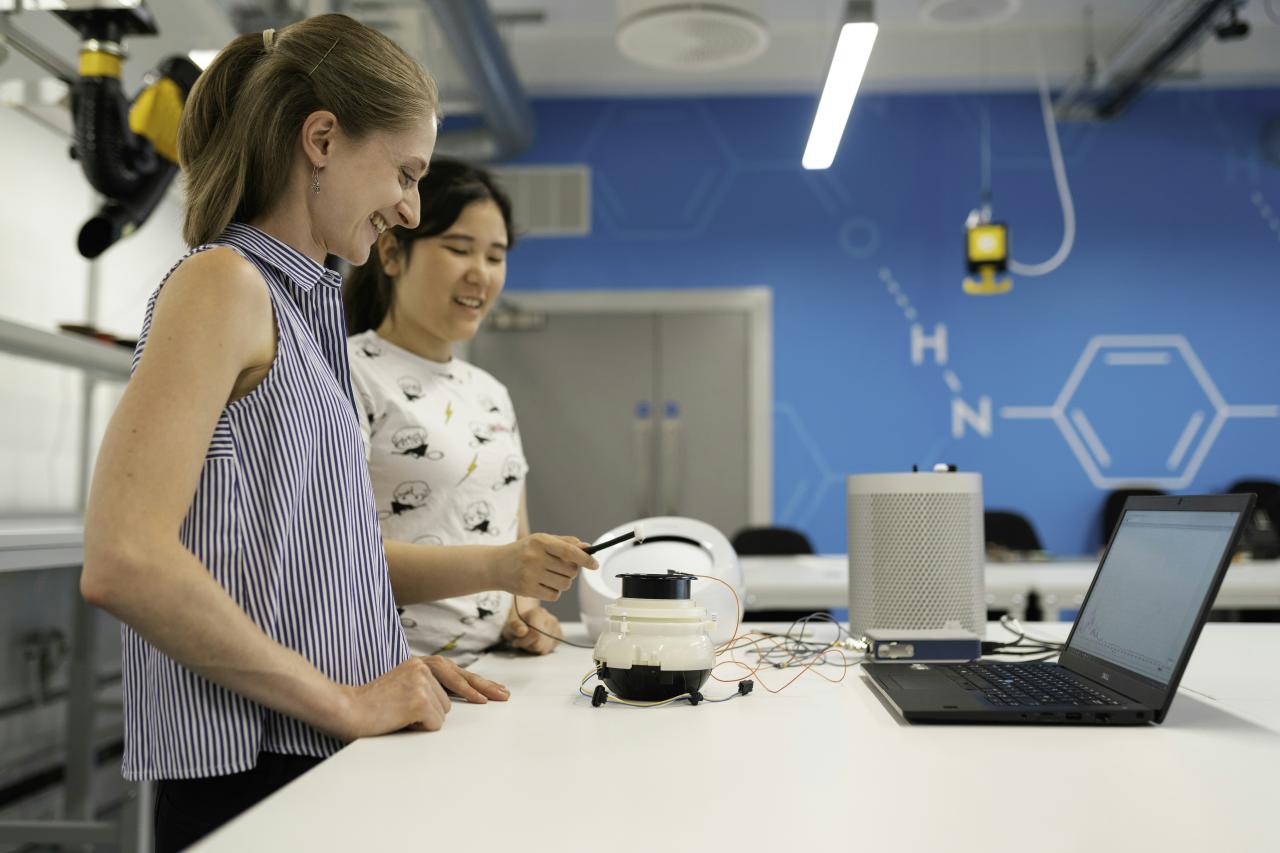
Digital canvases allow for brainstorming and visual planning that feels like being in the same room. These tools are essential for creative teams and product designers.
D. Automated Workflow Integration
Connecting different software platforms ensures that data flows smoothly between departments. This eliminates manual data entry and reduces the chance of human error.
E. Secure Cloud Infrastructure
Protecting company and client data is a non-negotiable part of the remote experience. Robust security protocols allow employees to work safely from any location in the world.
Cultivating a Global Culture
A remote model allows companies to hire the best talent from every corner of the planet. This diversity is a massive competitive advantage, but it also requires a high level of cultural intelligence. Learning to navigate different cultural norms and holidays is a key part of managing a global workforce.
When a company celebrates its global nature, it creates an environment where everyone feels valued for their unique perspective. This diversity of thought leads to better innovation and a more resilient business model. A truly global culture is one that is inclusive by design rather than by accident.
A. Diversity and Inclusion Training
Educating the team on global perspectives helps prevent misunderstandings and bias. It builds a more harmonious environment where everyone feels safe to contribute.
B. Celebrating Global Holidays
Recognizing and respecting different cultural celebrations shows that the company values its international staff. It is a small gesture that goes a long way in building loyalty.
C. Language Flexibility and Support
Providing tools or training to help non-native speakers communicate effectively is essential. Ensuring that language barriers do not prevent talent from rising is a core management duty.
D. Regional Community Building
Encouraging local “hubs” where nearby employees can meet for lunch or coworking builds a sense of community. Even in a remote world, local connections provide a valuable support network.
E. Cross-Cultural Mentorship
Pairing employees from different parts of the world encourages the sharing of diverse ideas. This practice expands the horizons of both the mentor and the mentee.
The Future Landscape of Work
The trajectory of the modern workplace is moving toward even more decentralization and individual freedom. We are likely to see the rise of “digital nomad” visas and specialized coworking spaces in every major city. Companies that embrace this freedom will have access to a pool of talent that was previously out of reach.
However, this future also requires a new level of personal responsibility from employees. Self-management and time-blocking skills are becoming just as important as technical abilities. The future of work is a partnership between a flexible company and a disciplined professional.
A. The Rise of Digital Nomadism
Supporting employees who want to travel while they work is becoming a standard benefit. This ultimate level of flexibility is a major draw for the younger generations of workers.
B. Decentralized Office Hubs
Instead of one giant headquarters, companies may offer memberships to global coworking networks. This gives employees a professional place to work whenever they need it.
C. Freelance and Contract Integration
The line between full-time staff and specialized contractors is becoming thinner. Companies are becoming more adept at integrating outside experts into their internal digital workflows.
D. Personalized Work Schedules
Allowing employees to work when they are most productive—whether that is 5 AM or 10 PM—leads to better output. Respecting individual biological clocks is the next frontier of productivity.
E. Lifelong Learning Cultures
As technology changes, the ability to learn new skills quickly is the most valuable asset. The best remote companies are those that function as a continuous learning environment for their staff.
Conclusion

The evolution of the remote workforce represents a significant turning point in human history. Companies must prioritize the mental and physical well-being of their staff to ensure long-term success. Trust is the most valuable currency in a digital environment where physical oversight is absent. Effective communication serves as the bridge that connects distant team members into a single unit. Productivity is no longer measured by the hours spent at a desk but by the quality of the results. Technology provides the tools but human empathy provides the soul of a remote organization. Innovation thrives when people have the freedom to work in environments that suit them best.
Retaining top talent requires a deep commitment to career growth and personal work-life balance. The global nature of remote work allows for a diversity of thought that was previously impossible. Building a strong culture in the cloud is a challenging but incredibly rewarding endeavor for leaders. Flexibility is the primary driver of happiness for the modern professional seeking a better lifestyle. Success in the future of work belongs to those who view remote models as an opportunity rather than a burden. The digital office is here to stay and it is reshaping the world for the better every single day.