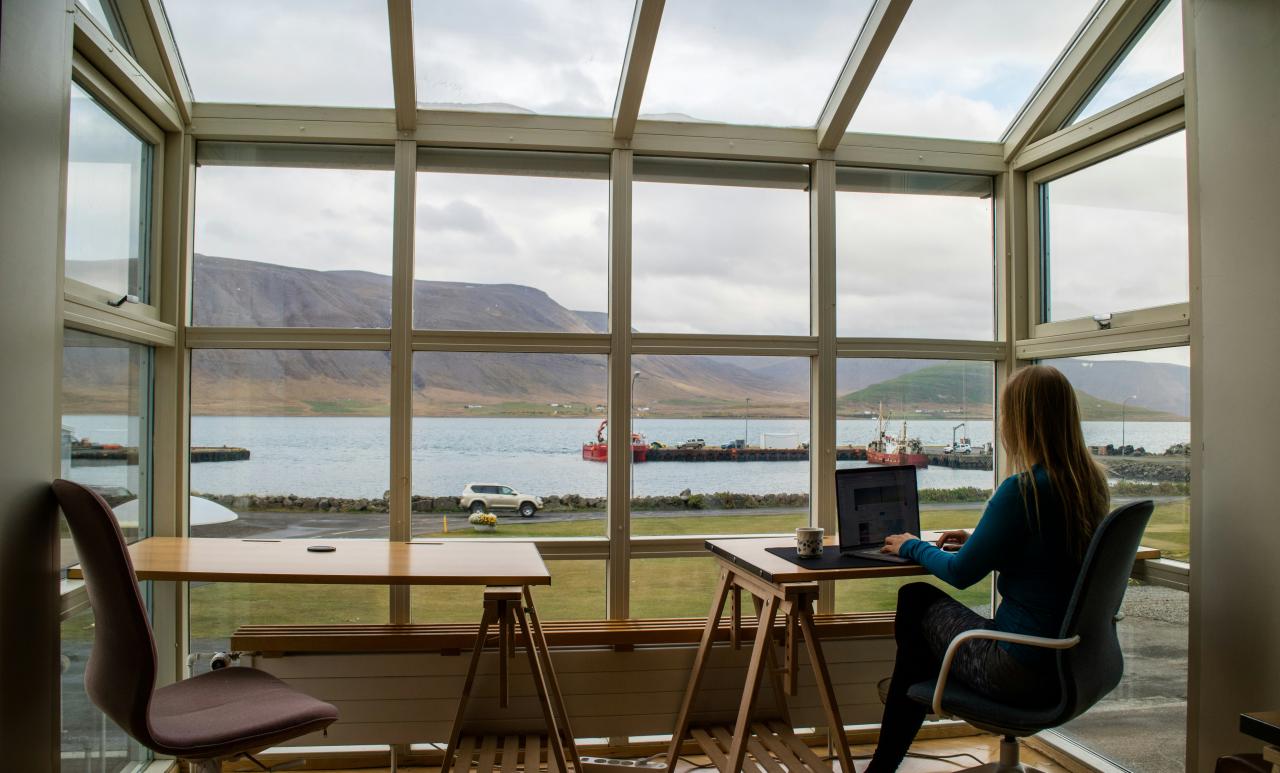
For centuries, the fundamental structure of professional life has been tethered to the rigid constraint of physical proximity, necessitating daily commutes to centralized offices, factories, or corporate headquarters, a geographical tether that severely limited the workforce’s personal freedom, dictated where they could afford to live, and ultimately shaped their lifestyle choices around the demands of a fixed workspace, viewing location as an unavoidable cost of doing business.
While advancements in telecommunications offered brief, tantalizing glimpses of remote capability, these were largely restricted to internal company policies or niche roles, failing to fundamentally challenge the deeply ingrained corporate belief that productivity was intrinsically linked to visible presence within a controlled office environment, a mentality that survived largely unchallenged until the last decade.
The confluence of ubiquitous high-speed internet, powerful cloud-based collaboration platforms, and a massive cultural shift favoring experiential living over material accumulation has finally converged to shatter this centuries-old constraint, transforming geographical location from an immovable prerequisite into a purely optional choice.
This powerful convergence has catalyzed the exponential growth of the Digital Nomad movement—a demographic of professionals, often working in technology, content creation, or consulting, who deliberately choose to leverage remote work technology to earn a living while traveling the world, effectively making the planet their decentralized office and accelerating the global acceptance of location-independent careers as a viable, sustainable, and highly desirable future of work model.
Pillar 1: Defining the Digital Nomad Lifestyle
Understanding the core principles and characteristics of location independence.
A. The Core Tenets of Digital Nomads
What distinguishes this group from typical remote workers.
-
Geographical Fluidity: Digital nomads possess the fundamental characteristic of not being tied to a fixed, permanent residence, choosing instead to move frequently between cities, countries, or continents.
-
Tech Dependence: Their livelihood is entirely dependent on digital technology, requiring reliable high-speed internet, portable electronic devices, and cloud-based communication tools to perform their job duties.
-
Sustainable Income: Unlike perpetual tourists, nomads maintain a sustainable income stream (either as freelancers, entrepreneurs, or remote employees) that allows them to financially support their travel and lifestyle.
B. The Types of Digital Nomad Work
The professional roles best suited for location independence.
-
Software and IT Specialists: Roles like web developers, DevOps engineers, cybersecurity consultants, and software programmers are ideally suited because their output is purely digital and asynchronous communication is standard.
-
Creative and Content Professionals: This includes graphic designers, technical writers, social media managers, video editors, and specialized marketing consultants, whose deliverables are easily transferred via the cloud.
-
E-commerce and Online Entrepreneurs: Individuals who run e-commerce stores (dropshipping), online coaching programs, or specialized consulting agencies that operate independent of a physical storefront or local client base.
C. The Economic Drivers
Why this lifestyle is often financially appealing.
-
Geoarbitrage: Nomads strategically earn money in high-wage economies (USD, EUR) while living and spending money in lower-cost regions (Southeast Asia, Latin America), significantly increasing their savings rate and disposable income.
-
Minimal Overhead: By avoiding the costly overhead of a permanent lease, vehicle ownership, and daily commuting expenses, nomads can dramatically reduce their fixed living costs.
-
Experiential Spending: The focus shifts from accumulating material goods to investing in unique travel, cultural immersion, and personal experiences, optimizing the value derived from their income.
Pillar 2: The Technological Accelerants
The innovations that made true geographical independence feasible for the masses.
A. Ubiquitous High-Speed Connectivity
The essential foundation for global work.
-
Global 4G/5G Coverage: The widespread deployment of fast and reliable mobile data networks (4G/5G) means crucial internet access is available virtually everywhere, even when fixed Wi-Fi is unavailable.
-
Starlink and Satellite Internet: Technologies like Starlink are beginning to provide high-speed, low-latency internet access to extremely remote or underserved locations, further expanding the potential working geography.
-
Co-working Spaces: The proliferation of dedicated co-working spaces (like WeWork or local alternatives) in major global cities ensures access to dependable, professional-grade internet connections and networking opportunities.
B. Cloud-Based Software and Services
The death of local, server-bound computing.
-
SaaS (Software as a Service): Nearly all professional tools, from CRM (Customer Relationship Management) and ERP (Enterprise Resource Planning) to development environments, are now delivered via the cloud (SaaS), requiring only a web browser to function.
-
Version Control and Collaboration: Tools like Git (for code), Google Docs (for documents), and Figma (for design) allow multiple users across different time zones to work on the exact same project file simultaneouslywithout conflicts.
-
Virtual Desktops and VPNs: Companies can provide secure, managed access to sensitive internal networks via Virtual Private Networks (VPNs) and cloud-based virtual desktops, ensuring compliance and security regardless of the employee’s physical location.
C. Financial and Currency Technology
Simplifying cross-border transactions and spending.
-
Digital Banking and Fintech: The rise of neobanks and fintech platforms (e.g., Wise, Revolut) allows nomads to easily hold, exchange, and spend multiple currencies with far lower fees and better exchange rates than traditional banks.
-
Cryptocurrency and Stablecoins: For freelancers paid internationally, the use of stablecoins or cryptocurrenciesprovides a fast, borderless, and often low-fee method for receiving payments from global clients.
-
Automated Invoicing: Cloud-based accounting software automates invoicing, tax calculations, and payment tracking across different jurisdictions, reducing the administrative burden of managing a mobile business.
Pillar 3: The Socio-Cultural and Economic Impact

The influence of nomads on destination countries and local economies.
A. Destination Economics (The Nomad Visa Effect)
How countries are actively competing for this talent pool.
-
New Visa Categories: Dozens of countries (e.g., Portugal, Barbados, Costa Rica) have launched specific “Digital Nomad Visas” to attract long-term remote workers, realizing the economic benefit of affluent, long-staying visitors.
-
Local Spending: Nomads often inject significant, predictable foreign currency into local economies, spending on housing (short-term rentals), food, services, and tourism over an extended period, benefiting local businesses beyond the traditional tourist season.
-
Entrepreneurial Hubs: The influx of skilled, technologically proficient nomads helps to foster local startup ecosystems and entrepreneurial activity, sometimes leading to knowledge transfer and job creation in the host country.
B. Challenges and Local Strain
The negative externalities on host communities.
-
Housing Price Inflation: The demand for high-quality, short-term rentals by well-funded foreigners can drive up local housing costs in popular cities, making it difficult for local residents to afford rent.
-
Cultural Friction: Conflicts can arise when nomads are perceived as exploiting geoarbitrage or when their consumption patterns clash with local cultural norms, leading to resentment from the permanent resident population.
-
Infrastructure Strain: In smaller or less developed areas, a sudden influx of nomads can strain existing local internet bandwidth, utilities, and transportation systems, which were not designed for that level of usage.
C. The Rise of Nomad Communities
The social side of a mobile career.
-
Community Building: Digital nomads naturally seek out and form strong, localized social networks through co-working spaces, online groups, and shared housing, mitigating the isolation often associated with remote work.
-
Co-Living Spaces: Purpose-built co-living facilities cater specifically to nomads, offering furnished private rooms, shared workspaces, high-speed internet, and organized social events, blending professional and personal life seamlessly.
-
Shared Knowledge: These communities act as crucial knowledge-sharing hubs, providing vital information on visa requirements, local tax laws, reliable ISPs, and the best places to live and work in specific locations.
Pillar 4: The Legal and Ethical Labyrinth
Navigating taxes, visas, and compliance in a borderless career.
A. The Tax Residency Maze
The most complex administrative hurdle for nomads.
-
Defining Residency: International tax law relies on complex “days spent” tests and “center of vital interests” rules to determine where an individual is officially a tax resident, a definition that is highly ambiguous for constant travelers.
-
Double Taxation Risk: Nomads face the perpetual risk of being classified as tax residents in two or more countries simultaneously, potentially leading to double taxation on their global income if they fail to utilize tax treaties correctly.
-
Permanent Establishment (PE) Risk: Entrepreneurs running an online business must be careful not to trigger “Permanent Establishment” rules in the countries they visit, which could subject their entire company’s profits to local corporate tax.
B. Visa Compliance and Immigration Law
Staying legal while constantly crossing borders.
-
Tourist Visa Limitations: Many novice nomads make the mistake of working illegally while on standard tourist visas, violating immigration laws that prohibit earning income from the host country.
-
The Rise of Nomad Visas: The new nomad visa schemes offer a legitimate, mid-term solution (typically one to two years) for legal stay and remote work, provided the applicant meets minimum income thresholds.
-
Health Insurance Mandates: Most long-stay and nomad visas require applicants to possess valid, comprehensive international health insurance, a non-negotiable cost of the location-independent lifestyle.
C. Employer Compliance and Governance
The corporate challenge of managing global employees.
-
Employment Law: Companies allowing employees to work from anywhere must navigate complex employment laws; if an employee works from Germany, the company might be liable to comply with German labor laws, even if based in the U.S.
-
Payroll and Withholding: Managing payroll, social security contributions, and income tax withholding for employees constantly moving between countries creates an administrative and compliance nightmare for the employer’s HR department.
-
Security and Data Protection: Companies must enforce strict data security protocols to ensure sensitive corporate data remains protected, regardless of the quality of the public Wi-Fi network the employee is using in a foreign country.
Pillar 5: The Future of Location Independence
Anticipating the evolution of the movement and its technology.
A. Mainstream Corporate Adoption
Integrating location independence into standard HR policy.
-
“Work From Anywhere” Policy: More large corporations are moving beyond basic “remote work” to adopt genuine “Work From Anywhere (WFA)” policies, recognizing that top talent demands this flexibility and that productivity doesn’t suffer.
-
Decentralized Teams: Organizations are being fundamentally restructured around decentralized project teams that are intentionally built across multiple time zones, optimizing for 24/7 coverage rather than shared office hours.
-
Hybrid Hubs: The traditional office is evolving into a “Hybrid Hub”—a space primarily used for collaboration, client meetings, and social events, not for daily, individual focused work, which is done remotely.
B. Specialized Nomad Infrastructure
Creating tailored services for the mobile worker.
-
Nomad-Specific Financial Tools: The development of integrated financial and tax compliance platforms that automatically track days spent in different countries, calculate potential tax liabilities, and generate compliant international invoices.
-
AI-Powered Location Scouting: AI tools will emerge to help nomads select their next destination based on sophisticated metrics, including cost of living, visa ease, internet quality, co-working density, and community reviews.
-
Education and Family Services: The creation of location-independent schooling and healthcare networks for nomads with families, solving the major challenge of maintaining continuity in critical services while traveling.
C. The Rise of “Slowmadism”
Prioritizing depth over breadth of travel.
-
Extended Stays: A growing trend favors “slowmadism,” where nomads choose to stay in a single location for six to twelve months rather than moving every few weeks, deepening cultural integration and reducing travel fatigue.
-
Local Engagement: This slower pace allows nomads to invest more time in local volunteer work, language learning, and community engagement, countering the perception that they are merely transient economic opportunists.
-
Sustainability Focus: Future nomadic travel will be heavily influenced by environmental consciousness, with nomads choosing slower, lower-carbon travel methods and favoring destinations with robust sustainability policies.
Conclusion: The New Freedom of Labor

The digital nomad movement has solidified its status, transitioning from a fringe lifestyle trend into a powerful, permanent economic force that fundamentally redefines the relationship between labor, location, and global technology.
This profound transformation is inextricably linked to technological advances, particularly the universal availability of high-speed internet and the seamless functionality of cloud-based collaboration tools that render physical office attendance utterly obsolete for most knowledge workers.
The lifestyle offers undeniable personal benefits, most notably the ability to enact geoarbitrage and drastically reduce living costs, thereby accelerating financial goals while simultaneously prioritizing enriching global travel and cultural experiences.
However, the rapid growth of this borderless workforce has created significant legal and ethical gaps, forcing governments and international bodies to grapple with the complexities of defining tax residency and ensuring adequate social safety nets for highly mobile contractors.
The increasing number of countries actively competing to attract this skilled talent through dedicated nomad visas underscores the economic power of this demographic, as they provide a continuous injection of high-value foreign spending into local economies.
To truly thrive, digital nomads must master administrative complexity, maintaining strict compliance with evolving tax and immigration laws across multiple jurisdictions, a task increasingly simplified by specialized fintech and accounting software.
Ultimately, the acceleration of location independence is pushing the global business community toward the inevitable “Work From Anywhere” model, signifying not just a change in where people work, but a revolutionary, lasting shift in how professional productivity is defined and valued in the twenty-first century.