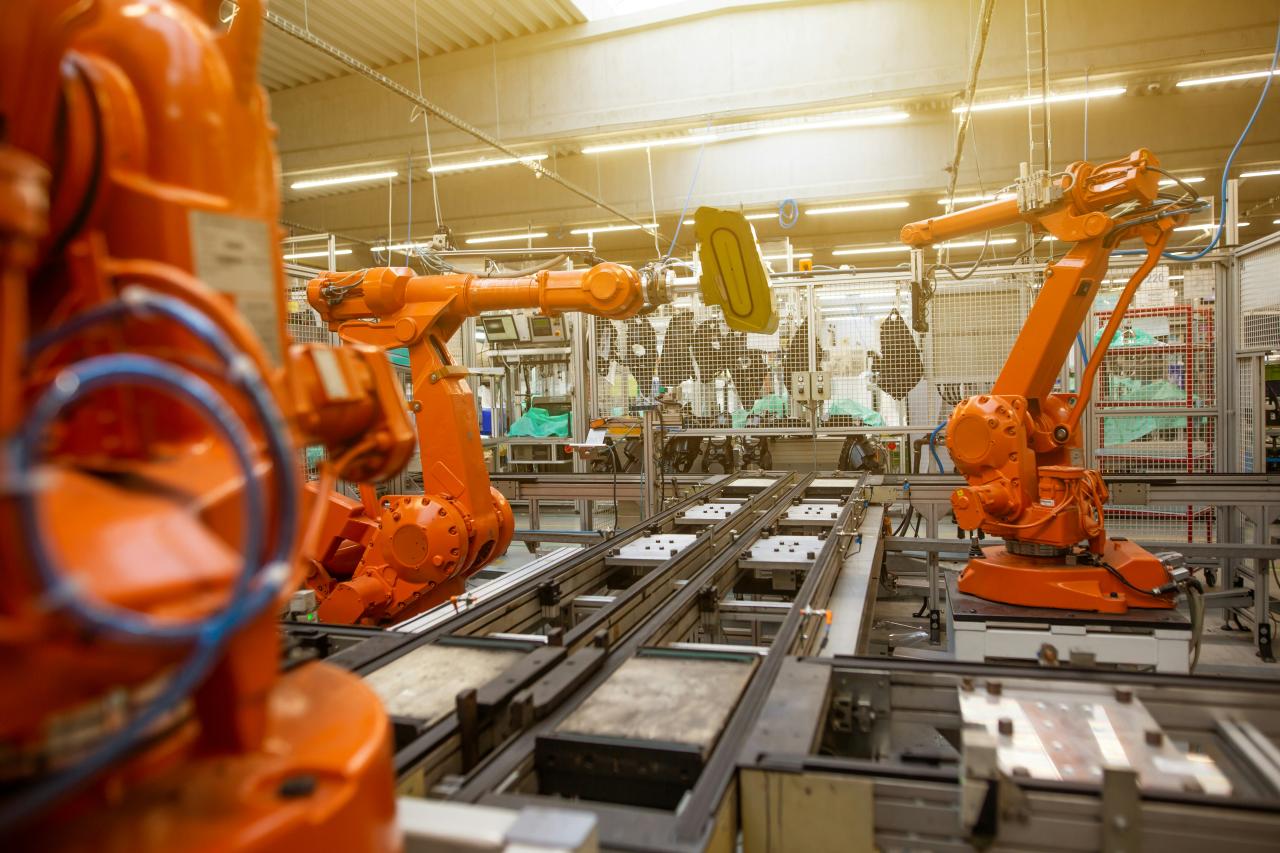
The rapid expansion of global population centers has created an urgent need for a fundamental redesign of how our cities operate on a daily basis. For decades, urban planning relied on static models that struggled to keep pace with the dynamic shifts in technology and human behavior. Today, the concept of future-proofing a city involves a sophisticated marriage between physical architecture and digital intelligence to ensure long-term sustainability. This integration of smart infrastructure is not merely about adding sensors to streetlights; it is about creating a cohesive nervous system for the entire metropolitan area.
By leveraging real-time data, cities can now manage energy consumption, optimize traffic flow, and respond to emergencies with unprecedented speed. The goal is to build environments that are resilient to climate change, economically vibrant, and capable of providing a high quality of life for all residents. As we move deeper into the digital age, the cities that thrive will be those that embrace connectivity as a basic utility, much like water or electricity.
This transition requires a massive shift in how we think about public space, transportation, and communal resources. We are essentially building the “operating system” for the society of tomorrow, where every physical asset is backed by a digital twin that helps us make better decisions. This article will explore the core technologies driving this change and the strategic frameworks needed to implement them successfully.
The Foundation of a Connected Urban Core
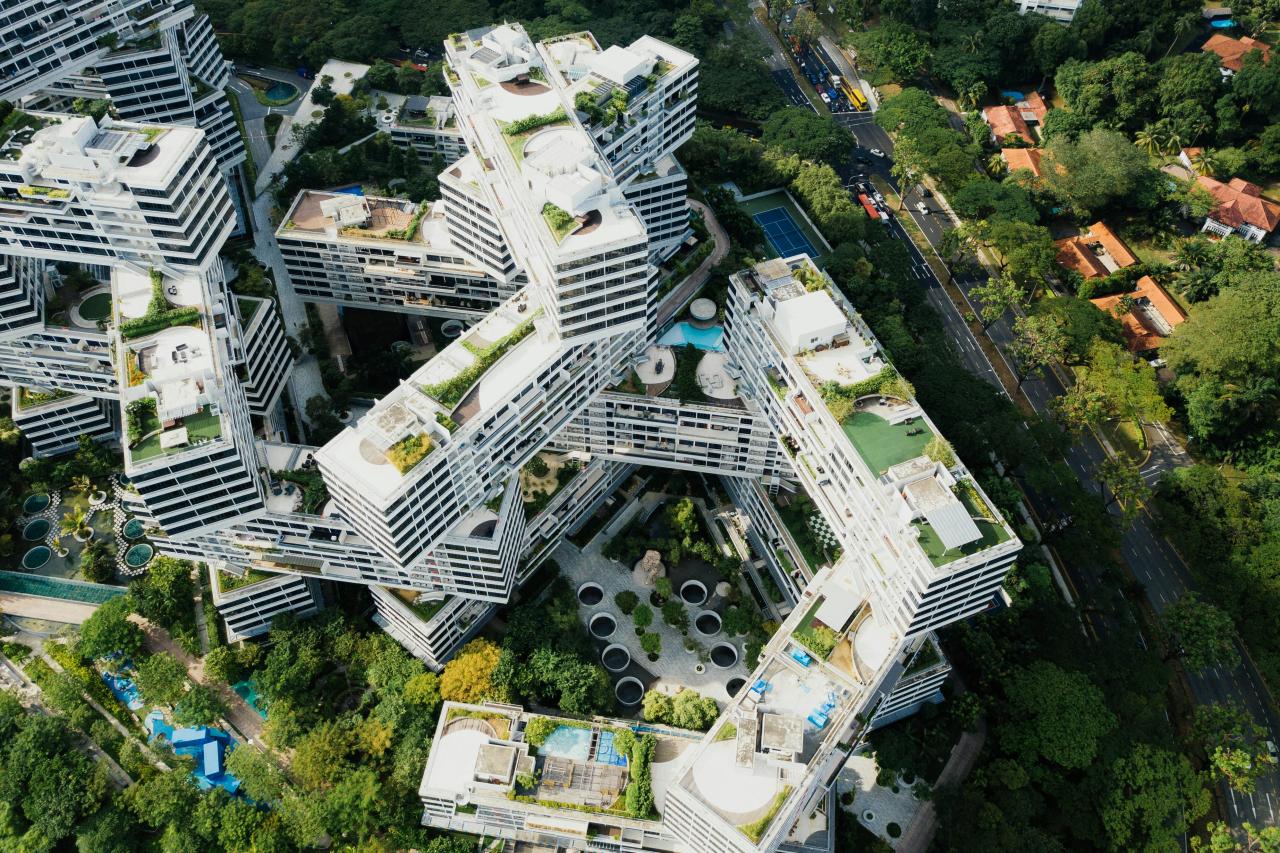
At the heart of any smart city is the data layer, which serves as the invisible backbone for every other service. Without a robust way to collect and process information, a city remains reactive rather than proactive.
A. High-Speed Connectivity and 5G Deployment
The rollout of 5G networks provides the low-latency communication required for real-time systems. This allows for thousands of devices to be connected in a small area without slowing down the network.
B. Internet of Things (IoT) Sensor Networks
Small, low-power sensors are the “eyes and ears” of the city. They monitor everything from air quality and noise levels to the fill-status of waste bins.
C. Centralized Data Management Platforms
Collecting data is useless if it stays in separate “silos.” Modern cities use unified platforms that allow different departments to share information and coordinate their efforts.
Revolutionizing Urban Mobility and Transit
Transportation is often the biggest pain point for city dwellers. Smart infrastructure aims to eliminate congestion and reduce the carbon footprint of moving people and goods.
A. Adaptive Traffic Signal Control Systems
Standard timers are inefficient and create unnecessary idling. Smart signals use cameras and road sensors to adjust light timings based on actual traffic demand in real-time.
B. Integrated Multimodal Transport Apps
A single digital platform can allow citizens to plan trips using buses, trains, bikes, and ride-sharing services. This “Mobility as a Service” (MaaS) model makes public transit more convenient than owning a private car.
C. Autonomous Vehicle Infrastructure Integration
Future roads will communicate directly with self-driving cars. This V2I (Vehicle-to-Infrastructure) communication ensures that cars know about road closures or icy patches long before they reach them.
Sustainable Energy and Smart Grids
A city’s energy consumption is a major contributor to its environmental impact. Smart grids allow for a more decentralized and efficient way to power our homes and businesses.
A. Smart Metering and Demand Response
Smart meters allow residents to see their energy use in real-time. This encourages people to shift heavy appliance use to off-peak hours, reducing the strain on the power plant.
B. Integration of Renewable Energy Sources
Solar panels and wind turbines are often intermittent in their power generation. A smart grid can automatically balance these sources with traditional power to ensure a steady supply.
C. Microgrids and Energy Storage Solutions
In the event of a major storm, microgrids can “island” themselves from the main network. This keeps critical buildings like hospitals powered even when the rest of the city is in the dark.
Intelligent Water and Waste Management
Leaking pipes and inefficient trash collection are silent killers of a city’s budget. Smart tech provides the visibility needed to stop these losses immediately.
A. Acoustic Leak Detection in Water Pipes
Advanced sensors can “listen” for the sound of water escaping from underground pipes. This allows utility companies to fix small leaks before they turn into massive sinkholes or water shortages.
B. Automated Waste Collection and Routing
Garbage trucks often follow the same route regardless of how full the bins are. IoT-enabled bins tell the dispatch center which ones need emptying, saving fuel and reducing traffic.
C. Smart Irrigation for Public Green Spaces
Public parks can use moisture sensors to only water the grass when it is actually dry. This saves millions of gallons of water annually, especially in drought-prone regions.
Enhancing Public Safety and Emergency Response
A future-proof city must be a safe city. Technology is being used to help first responders do their jobs more effectively while protecting the privacy of citizens.
A. AI-Powered Emergency Call Prioritization
Algorithms can analyze incoming calls to identify the most urgent situations. This ensures that ambulances and fire trucks are dispatched to life-threatening events first.
B. Gunshot Detection and Acoustic Localization
Microphones placed around the city can recognize the sound of gunfire and triangulate the exact location. This allows police to respond within seconds, often before a call is even placed.
C. Smart Street Lighting with Security Features
LED streetlights can do more than just shine light. They can be equipped with cameras, speakers for public announcements, and even EV charging ports for parked cars.
Building Resilience Against Climate Change
Cities are on the front lines of the climate crisis. Future-proofing involves using data to predict and mitigate the effects of extreme weather events.
A. Flood Warning Systems and Smart Drainage
Sensors in rivers and sewers can predict when a flood is imminent. Automated gates and pumps can then be triggered to divert water away from residential areas.
B. Urban Heat Island Mitigation Strategies
Satellites can identify “hot spots” in the city where concrete is absorbing too much heat. Planners can then prioritize these areas for “green roofs” or urban forests to cool the air.
C. Structural Health Monitoring for Bridges and Buildings
Sensors embedded in concrete can detect cracks or stress that the human eye cannot see. This allows for preventative maintenance on aging infrastructure before a collapse occurs.
The Role of Digital Twins in Urban Planning
A “Digital Twin” is a virtual 3D model of the city that is updated in real-time. It allows planners to test new ideas before they spend a single dollar on construction.
A. Simulating the Impact of New Developments
Before a new skyscraper is built, planners can see how it will affect wind patterns, shadows, and traffic in the surrounding neighborhood.
B. Predictive Modeling for Disaster Scenarios
Emergency teams can run “what-if” simulations for earthquakes or hurricanes. This helps them identify which roads will likely be blocked and where the most vulnerable populations are located.
C. Optimizing Public Services through Virtual Testing
A digital twin can show exactly how a new bus route will impact commute times across the entire city. This ensures that public funds are spent on projects with the highest impact.
Governance and Citizen Engagement
Smart infrastructure is not just about the “stuff”; it is about the people. Technology should make the government more transparent and accessible to everyone.
A. E-Government Portals and Mobile Voting
Citizens should be able to pay taxes, apply for permits, and participate in local democracy from their phones. This increases civic engagement and reduces bureaucratic friction.
B. Open Data Initiatives for Innovation
By making non-sensitive data available to the public, cities can encourage startups to build new apps. This creates a local tech ecosystem that solves city-specific problems.
C. Privacy Frameworks and Data Ethics
The collection of so much data requires strict legal protections. Future-proof cities must have clear rules about who owns the data and how it is used to ensure public trust.
Economic Benefits of Smart Cities
Investing in smart infrastructure is an economic driver. It attracts high-tech businesses and reduces the overall cost of living and doing business in the city.
A. Attracting the Global “Creative Class”
Talented workers want to live in cities that are efficient, safe, and connected. A smart city brand is a powerful tool for economic development and talent attraction.
B. Lowering Operational Costs for Municipalities
While the upfront cost is high, the long-term savings are massive. Reduced energy use, fewer water leaks, and more efficient trash pickup eventually pay for the technology.
C. Fostering a Circular Economy through Tech
Digital platforms can connect businesses that have “waste” with others that can use it as a “resource.” This reduces the environmental impact of industry and creates new jobs.
Challenges in Scaling Smart Infrastructure
Transitioning an old city into a smart one is fraught with difficulty. Leaders must navigate a complex landscape of legacy systems and tight budgets.
A. The High Cost of Retrofitting Legacy Assets
It is easy to build a smart city from scratch, but upgrading hundred-year-old pipes and wires is expensive. Cities must find creative ways to finance these long-term projects.
B. Interoperability and Standardizing Protocols
If the sensors from Company A cannot talk to the software from Company B, the system fails. We need global standards to ensure that all urban technology is “plug and play.”
C. The Cybersecurity Threat to Public Utilities
A connected city is a target for hackers. Protecting the power grid and water supply from cyberattacks is the most critical challenge for modern urban security teams.
The Human Element: Equity and Inclusion
If smart technology only benefits the wealthy, it is a failure. True future-proofing means ensuring that the “digital divide” does not leave anyone behind.
A. Providing Universal Broadband Access
Internet access is a human right in the modern world. Cities must ensure that low-income neighborhoods have the same high-speed connectivity as the business district.
B. Designing for Accessibility and the Elderly
Smart transit and city apps must be easy to use for people with disabilities. Voice-activated kiosks and high-contrast screens are essential parts of an inclusive city.
C. Community-Led Innovation Projects
The best ideas for smart cities often come from the residents themselves. Grant programs for neighborhood-led tech projects ensure that the technology meets the actual needs of the people.
Conclusion
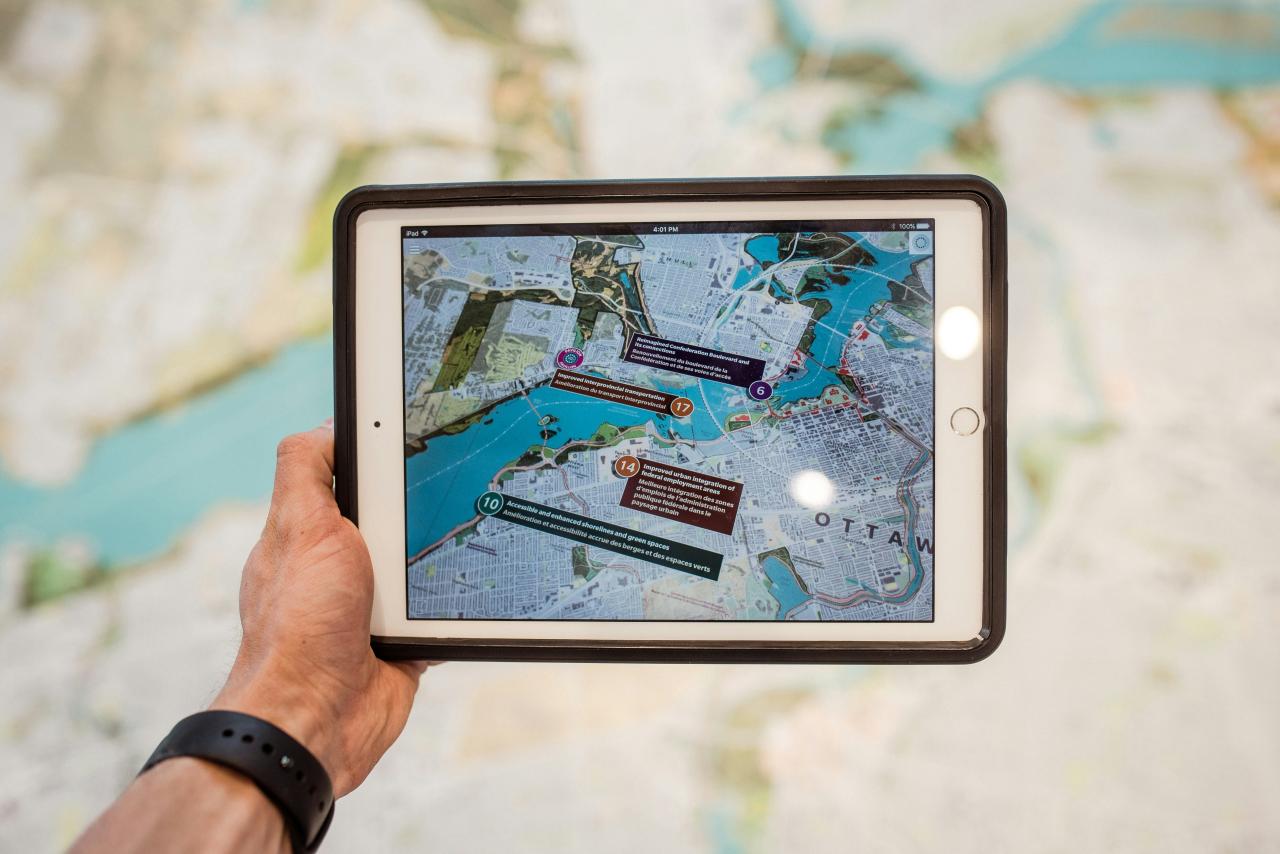
Future-proofing our urban centers is a continuous process of learning and adaptation. Smart infrastructure provides the essential tools needed to manage the complexities of modern life. Data-driven decision making allows city leaders to move from reactive crisis management to proactive planning. Sustainability must be the North Star for every new project in the metropolitan environment. Connectivity should be treated as a fundamental utility that is available to every single citizen. The integration of IoT and AI is transforming how we move, work, and interact with each other.
Resilience against the effects of climate change is no longer optional for a thriving city. Digital twins offer a powerful way to test and optimize our urban spaces before we build them. Privacy and ethics must be at the core of every data collection strategy to maintain public trust. Economic growth is a natural byproduct of a city that functions with high efficiency and transparency. We must bridge the digital divide to ensure that the benefits of smart tech are shared by all.
Cybersecurity is the silent guardian that keeps our connected infrastructure safe from harm. The transition to a smart city requires a collaborative effort between the public and private sectors. Legacy infrastructure presents a challenge that can only be overcome with innovative financing models. Human-centric design ensures that the technology serves the people rather than the other way around. Start your journey toward a smarter city today by advocating for transparency and tech integration in your local area.