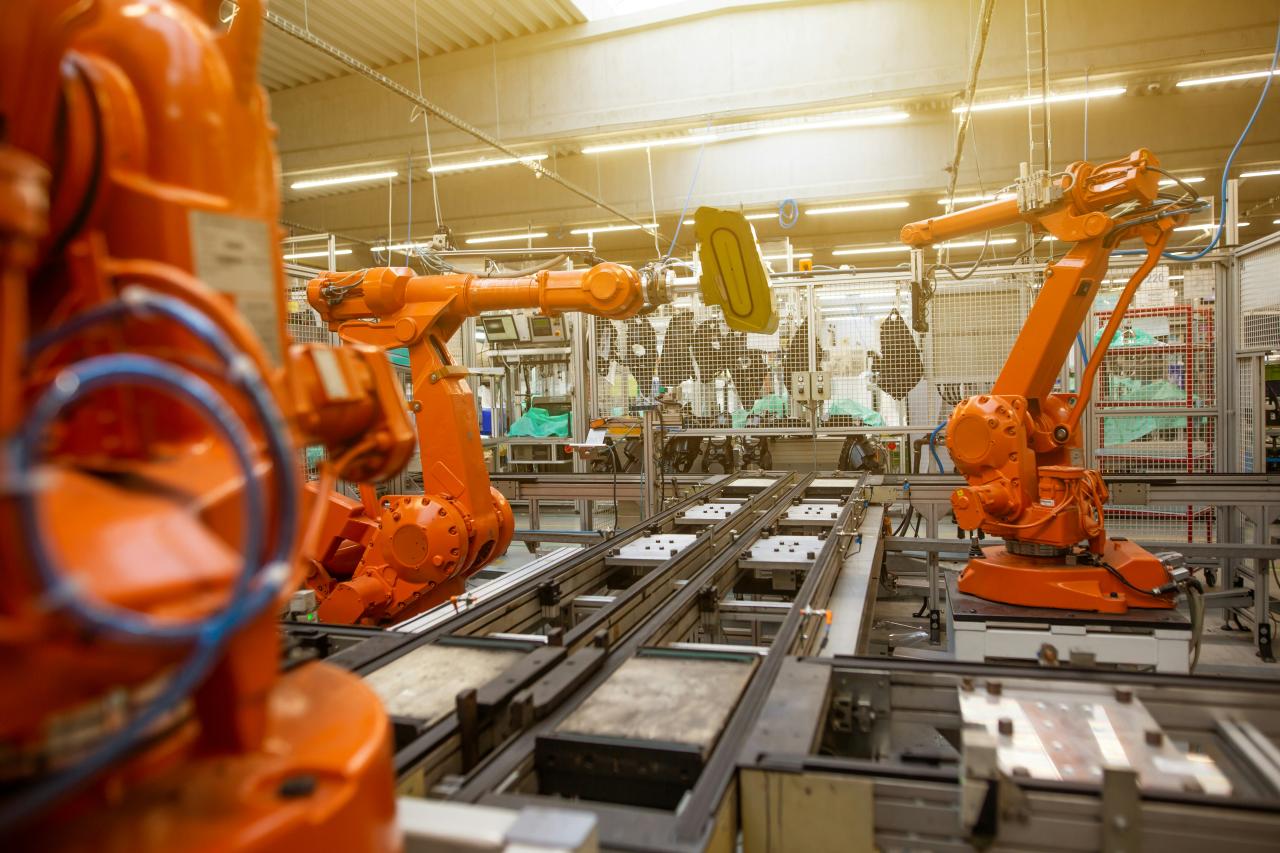
The global industrial sector is currently navigating an unprecedented era of digital evolution that is fundamentally altering how value is created and delivered to the market. This transition, often referred to as the Fourth Industrial Revolution or Industry 4.0, is not just about adopting new software but involves a complete structural reimagining of traditional business models. Modern enterprises are moving away from rigid, legacy systems toward agile, cloud-native environments that allow for real-time data processing and autonomous decision-making across all levels. The integration of advanced artificial intelligence, machine learning, and the Internet of Things (IoT) has created a “living” industrial ecosystem where every asset is connected and monitored. Leaders who fail to embrace this transformation find themselves rapidly losing market share to more nimble, data-driven competitors who can pivot their operations in seconds.
Mastering these digital blueprints requires a strategic focus on several core pillars: architectural scalability, cultural adaptability, and robust cybersecurity. As the boundary between the physical and digital worlds continues to blur, the ability to orchestrate complex technological workflows has become the ultimate competitive advantage. This comprehensive exploration provides the strategic roadmap necessary for organizations to lead the charge in the digital age. By implementing these high-value transformation strategies, companies can ensure long-term resilience and sustainable growth in an increasingly volatile global economy.
Strategic Frameworks for Modern Industrial Architecture
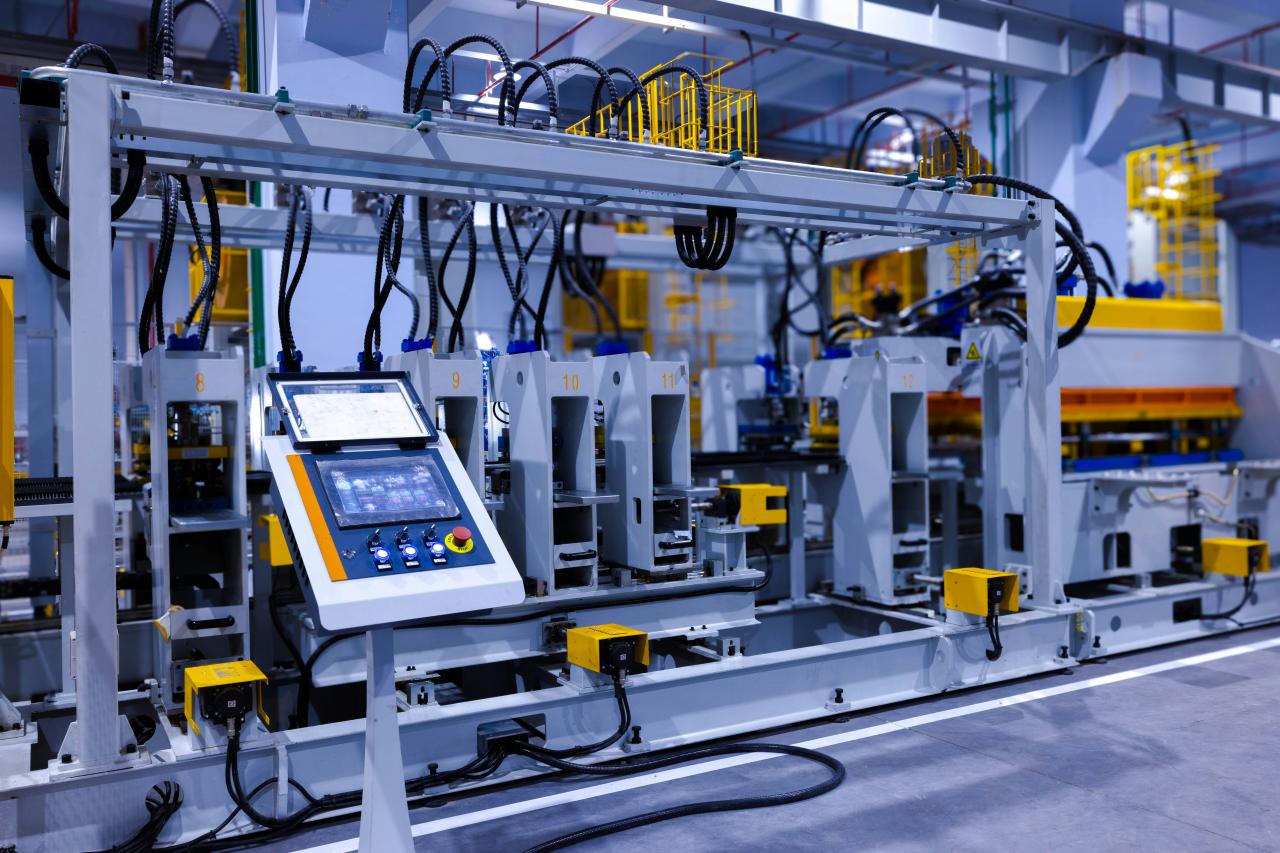
Building a future-proof digital industry requires a foundation that is both flexible and incredibly powerful to handle modern data loads.
A. Cloud-Native and Microservices Integration
Moving away from monolithic software allows companies to update specific business functions without disrupting the entire system. This modular approach ensures that the organization can adopt new technologies as soon as they emerge. It also allows for individual scaling of components based on demand.
B. Edge Computing for Real-Time Processing
By processing data closer to where it is generated—such as on a factory floor or in a remote sensor—businesses can reduce latency significantly. This is essential for autonomous systems that require split-second decision-making capabilities. It also reduces the cost of bandwidth by filtering data before sending it to the cloud.
C. Interoperability and Open API Standards
True transformation happens when different systems can communicate seamlessly with one another regardless of the manufacturer. Utilizing open standards prevents vendor lock-in and allows for a more diverse and innovative technology stack. This connectivity is the “glue” that holds a digital enterprise together.
Harnessing Artificial Intelligence as an Operating System
AI is no longer an experimental tool; it is the central engine that drives modern industrial efficiency and predictive capabilities.
A. Predictive Maintenance and Asset Optimization
AI algorithms can analyze sensor data to predict when a machine is likely to fail before it actually happens. This shift from reactive to proactive maintenance saves millions of dollars in downtime and repair costs. It also extends the lifespan of expensive industrial machinery.
B. Autonomous Supply Chain Orchestration
Intelligent systems can now manage inventory levels, predict demand surges, and reroute logistics in real-time based on global events. This level of automation ensures that the supply chain remains resilient even during global disruptions. It minimizes waste and ensures that products are delivered exactly when needed.
C. Generative Design and Rapid Prototyping
Engineers are using AI to explore thousands of design possibilities in a fraction of the time it once took. This accelerates the innovation cycle and leads to products that are lighter, stronger, and more efficient. It allows for the creation of complex geometries that traditional human design might miss.
Cultivating a Digital-First Corporate Culture
Technology is only as effective as the people who are empowered and trained to use it every day.
A. Upskilling and Continuous Learning Initiatives
The digital shift requires a workforce that is comfortable with data and automation tools. Leading organizations invest heavily in training programs that bridge the gap between traditional skills and new digital requirements. This ensures that employees feel valued and capable in the new environment.
B. Data-Driven Decision Making at All Levels
Empowering employees with access to real-time dashboards allows for faster and more accurate problem-solving on the front lines. When data is democratized, innovation can happen from the bottom up rather than just from the top down. It removes the guesswork from daily operations.
C. Agile Methodologies and Cross-Functional Teams
Breaking down departmental silos is essential for rapid digital transformation. Small, agile teams that include members from IT, operations, and marketing can move much faster than traditional corporate structures. This collaborative approach ensures that digital tools are actually solving business problems.
Cybersecurity and Data Sovereignty Strategies
As industries become more connected, the surface area for potential cyber attacks grows exponentially and requires elite defense.
A. Zero Trust Security Architecture Implementation
In a zero trust model, no user or device is trusted by default, even if they are inside the corporate network. This rigorous verification process is the best defense against sophisticated modern cyber threats. It ensures that a single compromised device cannot take down the entire network.
B. End-to-End Encryption and Data Privacy
Protecting sensitive intellectual property and customer data is a non-negotiable requirement for digital leaders. Robust encryption ensures that even if data is intercepted, it remains useless to unauthorized parties. This builds trust with both partners and end-users.
C. Compliance with Global Data Regulations
Navigating the complex landscape of international data laws requires a proactive and automated approach to compliance. Modern systems are designed to adapt to new regulations like GDPR or CCPA automatically. This prevents heavy fines and legal complications in international markets.
The Role of Digital Twins in Process Optimization
Digital twins are virtual replicas of physical assets that allow for testing and simulation in a risk-free environment.
A. Virtual Testing of Production Lines
Before making a physical change to a factory, managers can simulate the result in the digital twin. This identifies potential bottlenecks and errors before any money is spent on physical equipment. It allows for a “fail-fast” approach to innovation.
B. Real-Time Performance Monitoring
The digital twin receives data from the physical asset in real-time to show its exact status. This allows operators to monitor performance from anywhere in the world. It provides a level of visibility that was previously impossible.
C. Scenario Planning for Disaster Recovery
Digital twins can simulate “what-if” scenarios, such as power outages or supply chain failures. This allows companies to develop robust recovery plans based on simulated data. It ensures the business is ready for any external shock.
Data Monetization and New Revenue Streams
Digital transformation is not just a cost-saving measure; it is a tool for creating entirely new ways to make money.
A. Turning Data into a Product (Data-as-a-Service)
Aggregated and anonymized industrial data can be incredibly valuable to researchers and partners. Companies can monetize their insights by providing data-driven services to their ecosystem. This transforms the company from a manufacturer into a data provider.
B. Predictive Service Contracts
Instead of just selling a machine, companies can sell “uptime” as a service. By using sensors to monitor the machine, the manufacturer ensures it never breaks down, charging a premium for the guaranteed service. This creates a steady, recurring revenue stream.
C. Customization at Scale
Digital systems allow for “lot size one” manufacturing, where every product is customized to the individual user. This level of personalization allows companies to charge more for their products while maintaining high production speeds. It meets the modern consumer’s demand for unique items.
The Impact of 5G and Advanced Connectivity
The rollout of 5G technology provides the high-speed, low-latency communication needed for a truly connected industry.
A. Massive Machine-Type Communication (mMTC)
5G can support millions of sensors in a small area, allowing for a hyper-connected factory floor. This level of density is required for the full implementation of the Internet of Things. It allows every tool and part to be tracked in real-time.
B. Ultra-Reliable Low-Latency Communication (URLLC)
For remote surgery or autonomous vehicles, even a millisecond of delay is too much. 5G provides the reliability needed for critical systems that cannot afford a connection drop. This enables a new era of remote industrial operations.
C. Network Slicing for Critical Industrial Tasks
Companies can “slice” their 5G network to give priority to critical machines over general office traffic. This ensures that the most important systems always have the bandwidth they need to function. It provides a level of control over wireless traffic that was never before possible.
Human-Machine Collaboration and Robotics
The future of industry is not about robots replacing humans, but about the two working together in a seamless partnership.
A. Cobots (Collaborative Robots) in Production
Cobots are designed to work safely alongside human workers without the need for safety cages. They handle the repetitive, heavy, or dangerous tasks, allowing humans to focus on complex assembly and quality control. This improves both safety and productivity.
B. Exoskeletons and Augmented Strength
Wearable robotic suits can help workers lift heavy objects or stand for long periods without fatigue. This reduces workplace injuries and allows an aging workforce to remain productive for longer. It is a fusion of human intelligence and robotic power.
C. Augmented Reality (AR) for Maintenance and Training
Workers wearing AR glasses can see digital instructions overlaid on physical machinery. This allows a junior technician to perform complex repairs by following a virtual guide. It drastically reduces the time and cost of training new staff.
Sustainable Transformation and Green Technology
Digital efficiency and environmental sustainability are increasingly becoming two sides of the same coin in the modern era.
A. Energy-Efficient Computing and Data Centers
Scaling your digital footprint shouldn’t mean a massive increase in carbon emissions. Leading companies are choosing cloud providers that run on 100% renewable energy and use liquid cooling technologies. This reduces the “hidden” carbon cost of digital transformation.
B. Circular Economy and Digital Twin Tracking
Using digital twins to track a product’s entire lifecycle allows for better recycling and material reuse. This reduces waste and aligns the company with global sustainability goals and consumer expectations. It allows for the recovery of valuable materials at the end of a product’s life.
C. Carbon Footprint Monitoring and Reporting
Integrated digital systems can track the carbon impact of every business process in real-time. This transparency allows leaders to make informed decisions that benefit both the bottom line and the planet. It is essential for meeting the new environmental reporting requirements in many countries.
Conclusion
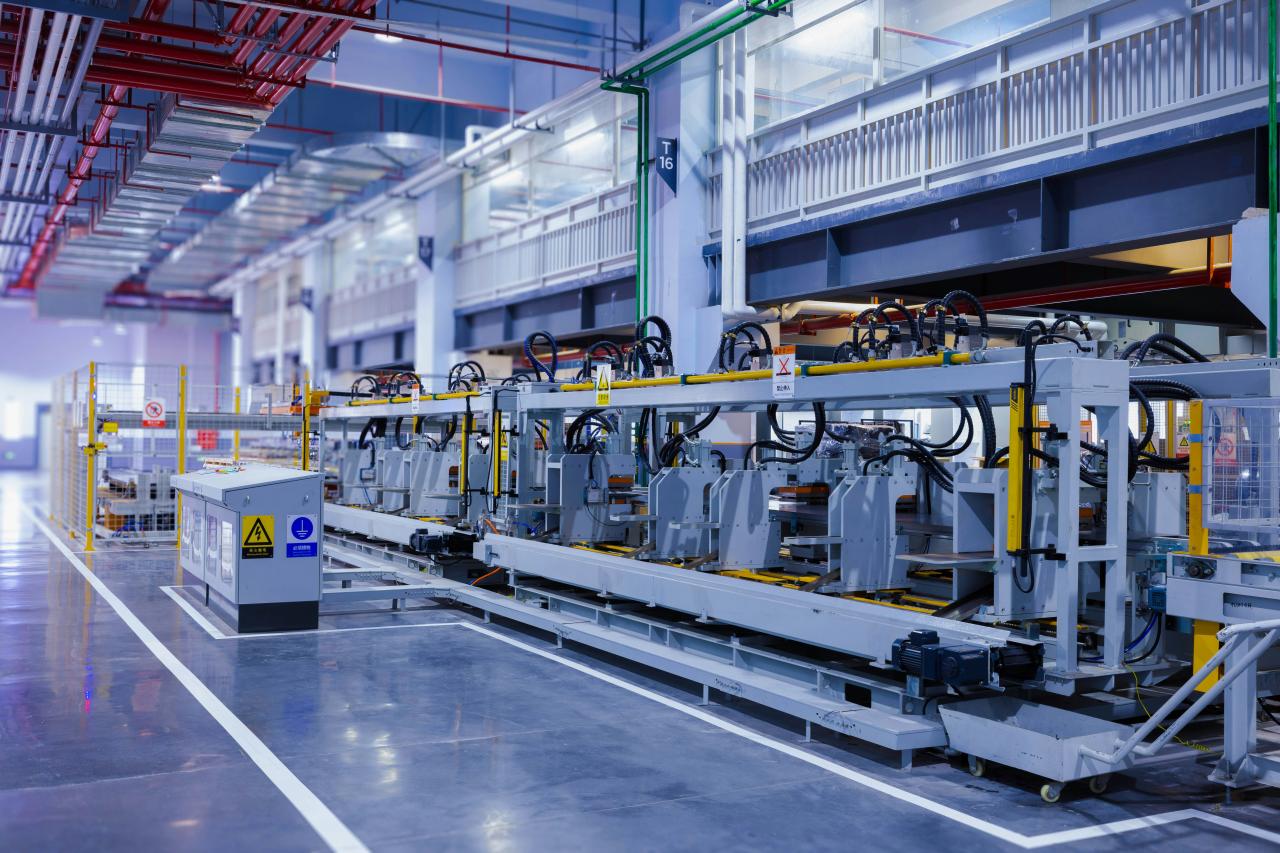
The journey toward total digital industry transformation is a continuous process of evolution. Successful organizations view technology as a vital engine for growth rather than a cost. A resilient digital architecture is the primary defense against the unpredictability of the market. Artificial intelligence serves as the core intelligence that optimizes every facet of the workflow. Culture and talent remain the most important variables in determining the success of initiatives. Data sovereignty and cybersecurity must be built into the fabric of the organization early. Sustainability and digital efficiency are now inseparable goals for any world-class enterprise today.
The transition to a cloud-native environment provides the scalability needed to compete globally. Real-time data processing through edge computing is essential for the next generation of systems. Interoperability between different software platforms is the key to unlocking the full value. Predictive analytics allow for a proactive approach to business that minimizes risk and loss. The democratization of data empowers every employee to contribute to the company’s innovation goals. Agile methodologies ensure that the organization can pivot quickly in response to new challenges.
The integration of IoT sensors provides a level of visibility into operations once impossible. Digital twins offer a powerful way to simulate and optimize complex industrial processes safely. The future of industry belongs to those who master the intersection of worlds. Ultimately, the goal is to create an organization that is as fast as technology.