The digital revolution has finally moved beyond simple video calls and PDF documents to enter the sophisticated era of personalized education. We are currently witnessing a monumental shift in how knowledge is transferred, moving away from a rigid “one size fits all” model toward a fluid, responsive system known as adaptive learning. Adaptive EdTech utilizes complex algorithms and real-time data to tailor educational content to the specific pace, strengths, and weaknesses of each individual student. This means that a classroom of thirty students can effectively follow thirty different learning paths simultaneously, all managed by a single intelligent platform.
By identifying knowledge gaps before they become major hurdles, these systems prevent students from falling behind while challenging high achievers to reach even further. The integration of artificial intelligence in schools is not merely a trend; it is a fundamental restructuring of the cognitive relationship between the learner and the material. As institutions worldwide embrace these innovations, the focus has shifted from mere digital access to the actual measurable improvement of learning outcomes. This comprehensive exploration will dive deep into the mechanics of adaptive systems, the psychological foundations of personalized learning, and the practical strategies for implementing these tools in modern educational environments.
The Core Mechanics of Adaptive Learning Systems
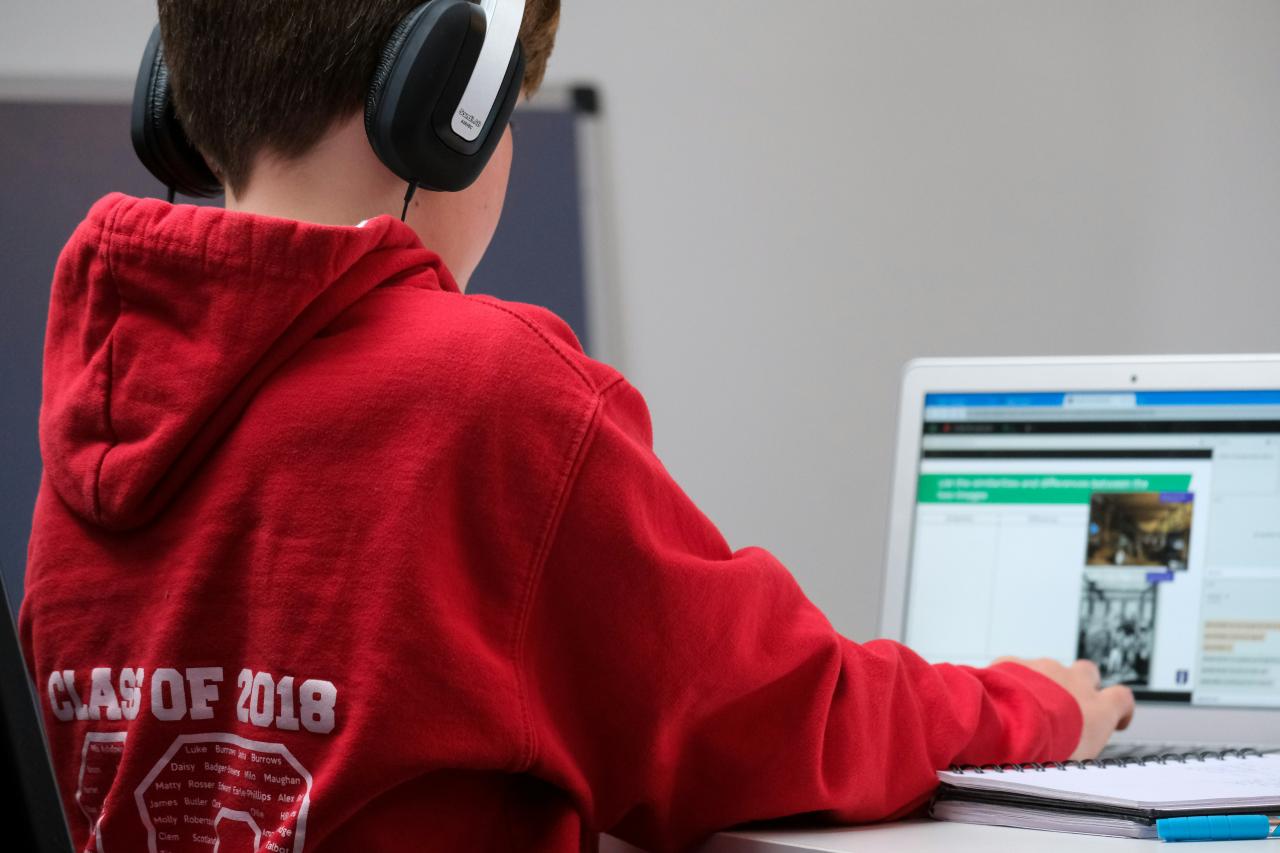
To understand why adaptive EdTech is so effective, we must look at the technical “brain” that powers these platforms. These systems function like a digital tutor that never gets tired.
A. Data-Driven Proficiency Algorithms
The system constantly tracks every click, response time, and incorrect answer to build a psychological profile of the learner. It uses this data to decide which piece of content should be presented next to maximize retention.
B. Dynamic Content Branching
Unlike a traditional textbook that follows a linear path, adaptive software uses branching logic. If a student fails a quiz on fractions, the system automatically redirects them to a remedial module on basic division before moving forward.
C. Real-Time Feedback Loops
Instant gratification is key to maintaining student engagement. By providing immediate corrections and explanations, the software prevents the reinforcement of incorrect mental models.
The Psychological Pillars of Personalized Education
Adaptive technology is built upon decades of educational psychology research. It leverages how the human brain actually processes and stores new information.
A. The Zone of Proximal Development
Adaptive EdTech keeps students in the “Goldilocks zone”—material that is not so easy that they get bored, but not so hard that they give up. This balance is essential for maintaining a state of “flow” during study sessions.
B. Spaced Repetition and Active Recall
Algorithms can predict exactly when a student is about to forget a concept. The software then reintroduces that concept at the perfect moment to move the information from short-term to long-term memory.
C. Reducing Cognitive Load
By breaking complex subjects into bite-sized, digestible “micro-learning” segments, adaptive platforms prevent the brain from becoming overwhelmed. This allows for deeper focus on one specific skill at a time.
Enhancing Teacher Productivity and Insight
There is a common fear that EdTech will replace teachers, but the reality is quite the opposite. These tools act as a force multiplier for educators.
A. Automated Grading and Administrative Relief
Teachers spend hundreds of hours a year on repetitive grading. Adaptive platforms handle the routine assessments, freeing up the teacher to focus on high-level mentoring and emotional support.
B. Detailed Progress Analytics
Instead of waiting for a mid-term exam to see who is struggling, teachers get a live dashboard. They can see exactly which students are “stuck” on a specific concept in real-time.
C. Informed Small-Group Instruction
With the data provided by the software, teachers can group students based on similar struggles. This makes classroom intervention much more targeted and effective.
Adaptive Tech in Corporate Training and Upskilling
Personalized learning is not just for children; it is becoming the standard for professional development in the corporate world. Companies need to train employees faster and more efficiently than ever before.
A. Customized Compliance Training
Instead of making every employee watch the same three-hour video, adaptive systems test their existing knowledge first. Users only have to study the sections where they show a lack of mastery.
B. Skill Gap Analysis for Leadership
Enterprises use EdTech to identify which employees are ready for promotion. The system tracks who is mastering new technical skills the fastest and provides a clear map for career progression.
C. Just-in-Time Learning Modules
In fast-paced industries, employees can access specific adaptive modules right when they need them on the job. This “on-demand” education improves performance and reduces errors in real-time.
The Role of Gamification in Student Engagement
Learning becomes much more effective when it feels like play. Adaptive EdTech often incorporates game mechanics to keep students coming back for more.
A. Points, Badges, and Leaderboards
Social competition and reward systems tap into the brain’s dopamine pathways. When students receive a “badge” for mastering a difficult concept, they feel a tangible sense of achievement.
B. Narrative-Based Learning Quests
Some platforms wrap educational content in a story. Students move through a virtual world by solving math problems or answering history questions, turning the curriculum into an adventure.
C. Unlockable Content and Progression
Just like in a video game, students “level up” as they master skills. This clear sense of progress is highly motivating and encourages students to take ownership of their own education.
Overcoming the Digital Divide and Accessibility
For EdTech to truly maximize outcomes, it must be accessible to everyone, regardless of their physical abilities or economic status.
A. Universal Design for Learning (UDL)
Adaptive platforms often include built-in tools for students with disabilities. This includes text-to-speech for the visually impaired and simplified interfaces for those with cognitive challenges.
B. Low-Bandwidth Optimization
To reach students in rural or developing areas, many platforms are designed to run on low-end devices. They can even function offline and sync data once a connection becomes available.
C. Multilingual Support and Translation
Adaptive systems can provide the same high-quality instruction in dozens of languages. This is a game-changer for ESL (English as a Second Language) students who may be brilliant at math but struggle with the language barrier.
Data Privacy and Ethical Considerations
With the collection of so much student data, ethics and security must be at the forefront of any EdTech implementation.
A. Student Data Sovereignty
Schools must ensure that the data collected by adaptive platforms is owned by the students and their parents. It should never be sold to third-party advertisers or used for non-educational purposes.
B. Algorithmic Bias Prevention
Developers must be careful to ensure their AI does not favor certain demographics over others. Constant auditing of the code is required to maintain a fair and equitable learning environment.
C. Transparency in Automated Decision Making
Teachers and parents should be able to see why a student was moved to a specific learning path. The “black box” of AI must be opened to allow for human oversight.
The Future of Adaptive Learning: AI and VR
We are just scratching the surface of what is possible. The next decade will bring even more immersive and intelligent learning experiences.
A. Virtual Reality (VR) Simulations
Imagine learning about Ancient Rome by walking through a digital recreation of the city. Adaptive VR will change the environment based on what the student is curious about in that moment.
B. Natural Language Tutoring
AI “chatbots” are becoming sophisticated enough to have actual conversations with students. They can answer complex “why” questions and provide Socratic guidance rather than just giving the answer.
C. Predictive Academic Counseling
By looking at years of data, AI will be able to suggest career paths or university majors that perfectly align with a student’s demonstrated strengths and passions.
Integrating Adaptive EdTech into the Curriculum
Implementing these tools requires more than just buying a software license. It requires a change in the entire school culture.
A. Professional Development for Staff
Teachers need time to learn how to interpret the data coming from these platforms. A well-trained teacher is the most important component of a successful EdTech rollout.
B. Blended Learning Models
The best results come from a mix of digital work and face-to-face interaction. The software handles the drills, while the classroom becomes a space for debate and collaborative projects.
C. Parental Engagement and Portals
When parents can see their child’s progress in real-time, they can provide better support at home. Adaptive platforms bridge the gap between the school and the family.
Measuring the Return on Education (ROE)
How do we know if all this technology is actually working? We need to look at specific metrics beyond just test scores.
A. Reduction in Dropout Rates
By catching struggling students early, adaptive systems significantly improve graduation rates. Students are less likely to quit when they feel the material is actually manageable.
B. Growth in Critical Thinking Skills
Adaptive tech is moving beyond rote memorization. New platforms challenge students to apply what they have learned to solve open-ended, real-world problems.
C. Long-Term Knowledge Retention
Follow-up studies show that students who use adaptive platforms retain information much longer than those in traditional lecture-based environments. This is due to the constant reinforcement of core concepts.
Conclusion
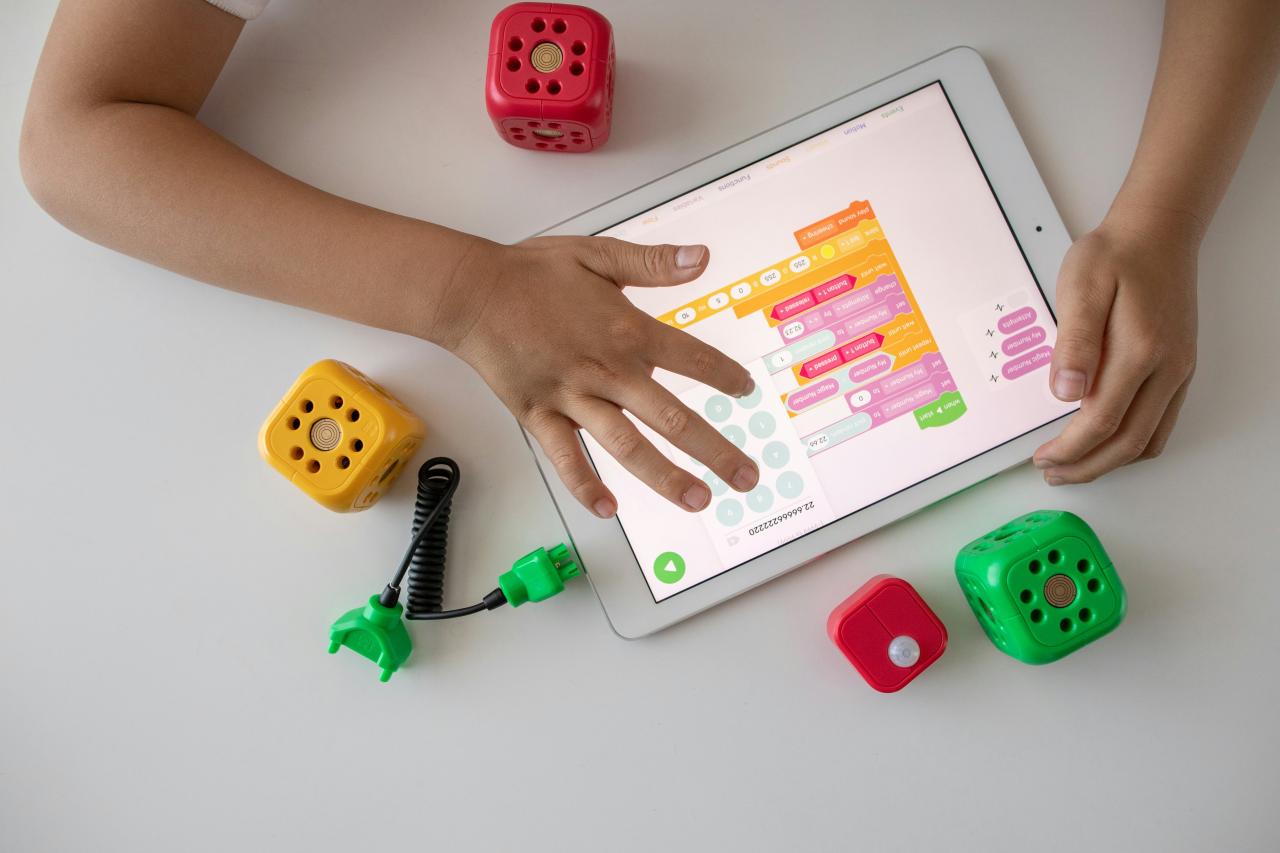
Adaptive learning technology is fundamentally changing the way humans acquire new knowledge. The shift toward personalized instruction allows every student to learn at their own natural speed. Artificial intelligence acts as a tireless digital tutor that identifies and fills knowledge gaps. Teachers are empowered by these tools to focus more on mentorship and less on administrative tasks. Psychological principles like the zone of proximal development are built directly into the software.
Gamification elements keep students engaged and motivated to reach the next level of mastery. Corporate environments are using these tools to bridge the skills gap in a rapidly changing economy. Accessibility features ensure that high-quality education is available to students of all abilities. Data privacy remains a critical hurdle that requires transparent and ethical management. The integration of virtual reality will soon make learning more immersive than ever before.
Blended learning models provide the perfect balance between digital efficiency and human connection. Measuring success now involves looking at long-term retention and student well-being. The digital divide must be closed to ensure that no community is left behind in this revolution. Real-time analytics provide a window into the student’s mind that was previously impossible. Investing in these platforms is a direct investment in the intellectual future of our society. The ultimate goal of EdTech is to unlock the unique potential hidden within every single learner.